
Why Small Animals Chew: A Guide to Instinct, Health, and Happiness
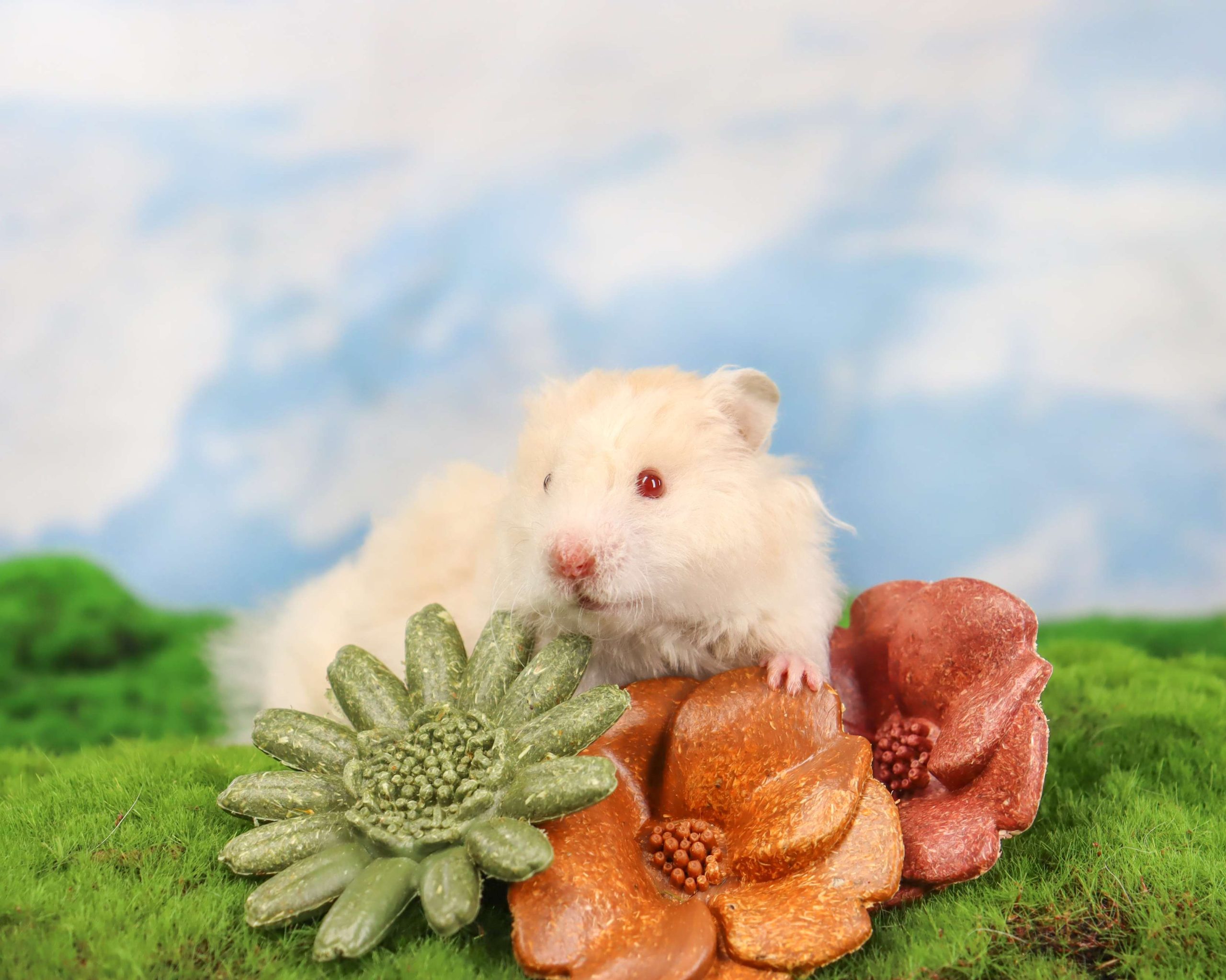
If you share your home with a rabbit, guinea pig, hamster, or chinchilla, you have likely witnessed their relentless, innate need to gnaw. While this behavior may sometimes be directed at your baseboards or furniture, chewing is far from misbehavior. In fact, it’s a fascinating and essential aspect of your pet’s biology and well-being.
Let’s explore the science and instincts underlying this essential behavior.
1. A Dental Necessity: Teeth That Never Stop Growing
The reason your little pet has become a chewing machine is primarily due to dental health.Unlike humans, rodents and lagomorphs (the family including rabbits) have open-rooted teeth. This means their teeth grow continuously throughout their entire lives—at an astonishing rate of several millimeters per week!
If they don’t constantly grind their teeth down, the result is a condition called malocclusion, where the teeth become severely overgrown. This can cause:
- Mouth sores and abscesses
- Pain and difficulty eating
- Weight loss and malnutrition
- Life-threatening health complications
Chewing on tough, fibrous materials is their natural and only way to maintain a healthy dental length and alignment.
2. Mental and Emotional Well-being
A bored small pet is often a destructive one. These are intelligent, active creatures that need mental stimulation to thrive.
- Fighting Boredom: Chewing provides a primary source of enrichment and activity. Without appropriate outlets, pets can develop stress, anxiety, and depression, leading to repetitive behaviors and a lower quality of life.
- Natural Foraging Behavior: Many chewing activities are linked to foraging. The act of working to break down a piece of wood or a hay cube mimics the challenge of finding food in the wild, providing immense psychological satisfaction.
3. Providing Safe and Appropriate Outlets for Chewing
Understanding why they chew leads us to the most important question: what should they chew? Selecting the right materials is critical for their safety and well-being.
While a foundation of unlimited grass hay (like Timothy or Orchard Hay) is essential for diet and constant dental wear, providing supplemental chewables is key to an enriched life. The safest choices go beyond just being non-toxic; they are designed to be fully edible and digestible.
This is a crucial distinction. Unlike many materials that simply get shredded and scattered (with the risk of ingestion or impaction), edible chew toys are meant to be broken down and consumed safely. For small animals like hamsters, rabbits, and guinea pigs, this turns a natural behavior into a safe, satisfying, and zero-waste activity.
When selecting chew toys, prioritize these safe and edible characteristics:
- Durability that Wears Teeth Down: Look for toys made from edible materials that are firm enough to provide resistance, encouraging the natural gnawing motion that effectively grinds down ever-growing teeth.
- Encourages Natural Foraging Behavior: Our chew toys are made from 100% plant-based ingredients, including natural grasses, vegetables, and fruits. These toys come in a variety of shapes that simulate the food animals seek in the wild. As your pet chews and explores these toys, their natural foraging instincts are stimulated, providing valuable psychological stimulation and transforming the simple act of chewing into a rich and natural activity.
- Pure and Simple Ingredients: The best edible chews contain minimal, recognizable ingredients. This ensures that your pet is consuming only what is safe for them, with no hidden risks.
By choosing edible chew toys, you provide a solution that aligns perfectly with your pet’s instincts. It addresses their fundamental needs—dental health, mental enrichment, and the simple joy of gnawing—all within the safety of a consumable object.
4. Making the Right Choice for Your Pet’s Chewing Needs
The next time you hear the sound of tiny teeth gnawing, remember that you’re listening to the sounds of a healthy, instinct-driven animal. Chewing isn’t a problem to be solved; it’s a fundamental need to be understood and supported.
By providing safe and appropriate chewing outlets, you’re investing directly in your small pet’s physical health and emotional well-being. Our goal is to offer a variety of edible chew toys—ones that safely satisfy their instincts. This is the philosophy behind every product we create at Teewy. We are dedicated to designing safe, natural, and enriching chew toys that address all of these complex needs and help your beloved pet thrive.
Want to learn more about how to support your pet’s natural behaviors? Explore our blog for additional resources and insights into the world of small animal care.
 English
  French
  Spanish
  Japanese
  Korean
  German
  Italian
  Polish
  Greek
Greek  Indonesian
  Portuguese