
Summer Fruits for Small Pets: A Refreshing Guide to Keeping Your Furry Friends Cool
When summer temperatures soar, our little companions — rabbits, guinea pigs, hamsters, gerbils, rats, mice, and even chinchillas — can struggle to stay comfortable. Unlike dogs or cats, these tiny creatures can’t sweat or pant efficiently to cool down. One of the simplest ways to help them beat the heat is by offering hydrating, species-appropriate fruits as occasional treats. But before you share that slice of watermelon, here’s what every small pet parent needs to know.
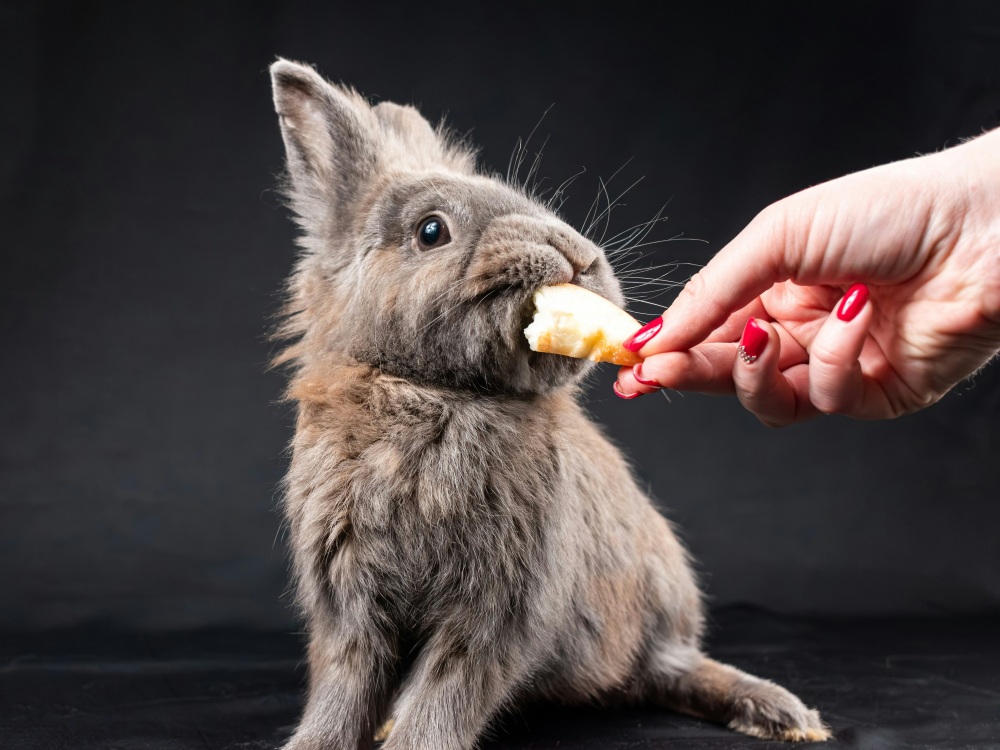
Watermelon: The Ultimate Summer Refresher
Watermelon is over 90% water, making it a fantastic hydrating treat for most small pets. Guinea pigs can safely enjoy small cubes of seedless watermelon — it’s lower in sugar than many other fruits and provides a small vitamin C boost. Hamsters, including dwarf, Roborovski, and Syrian varieties, can also have watermelon in moderation. Even rats, mice, and gerbils can join in. Just remember: a tiny cube (about the size of a small cube — think a dice) a couple of times a week is plenty. For clarity, offer a piece no larger than their head.
Berry: Good Choices
Berries are nutrient-packed and generally well-tolerated by small pets. Strawberries, blueberries, raspberries, and blackberries are excellent options for guinea pigs, hamsters, rats, mice, and gerbils. For hamsters, one or two raspberries twice a week is a suitable portion. Guinea pigs can enjoy half a strawberry as a perfect serving. The antioxidants in berries support overall health, but like all fruits, they should be given sparingly due to natural sugars.
Melons and More
Cantaloupe and honeydew are safe for guinea pigs and actually contain more vitamin C than watermelon. Hamsters can enjoy melon too, as long as seeds and rind are removed. Rats and mice also benefit from the hydration these fruits provide. The key is portion control — a bite-sized chunk per pet is sufficient.
Apples and Pears: Classic Favorites
Apples and pears are safe for nearly all small pets — but always remove the seeds and core first. Apple seeds contain trace amounts of cyanide and can be a choking hazard. A half‑inch cube of apple, offered up to twice a week, is a reasonable serving for guinea pigs. For hamsters, a thumbnail‑sized slice is plenty.
The Golden Rules of Fruit Feeding
No matter which fruit you choose, these universal rules apply:
- Moderation is everything. Fruits should make up less than 5% of your pet’s diet. Too much sugar can disrupt digestion, cause diarrhea, or lead to obesity and diabetes.
- Wash thoroughly. Remove any pesticides or chemicals before serving.
- Remove seeds, pits, and rinds. These can be choking hazards or contain toxins.
- Serve at room temperature. Never offer ice‑cold fruit straight from the fridge — it can shock their sensitive digestive systems.
- Watch for reactions. When introducing any new food, monitor your pet’s droppings for 24 hours. Soft stool means it’s time to stop.
Fruits to Avoid
Not all fruits are pet‑friendly. Grapes and raisins are toxic to many small animals and should never be offered. Citrus fruits (oranges, lemons, grapefruits) are too acidic and can upset sensitive stomachs. For male rats, citrus is particularly dangerous due to a compound called d‑limonene.
Final Thoughts
Summer is a wonderful time to bond with your small pets through tasty, refreshing treats. With a little knowledge and a lot of care, you can keep your furry friends cool, hydrated, and happy all season long. Remember: hay, fresh water, and a shaded environment are their true summer essentials — fruit is just the cherry on top!
 English
  French
  Spanish
  Japanese
  Korean
  German
  Italian
  Polish
  Greek
Greek  Indonesian
  Portuguese