
Care Information for Keeping Hamsters as Pets
If you are considering getting a pet hamster for yourself or a child, it is critical that you understand how to choose one, what supplies you need, and how to feed and care for your new pet. Although hamsters are low-maintenance pets compared to other popular pets like dogs and cats, proper care is required to keep them happy and healthy.
1. Getting a Pet Hamster
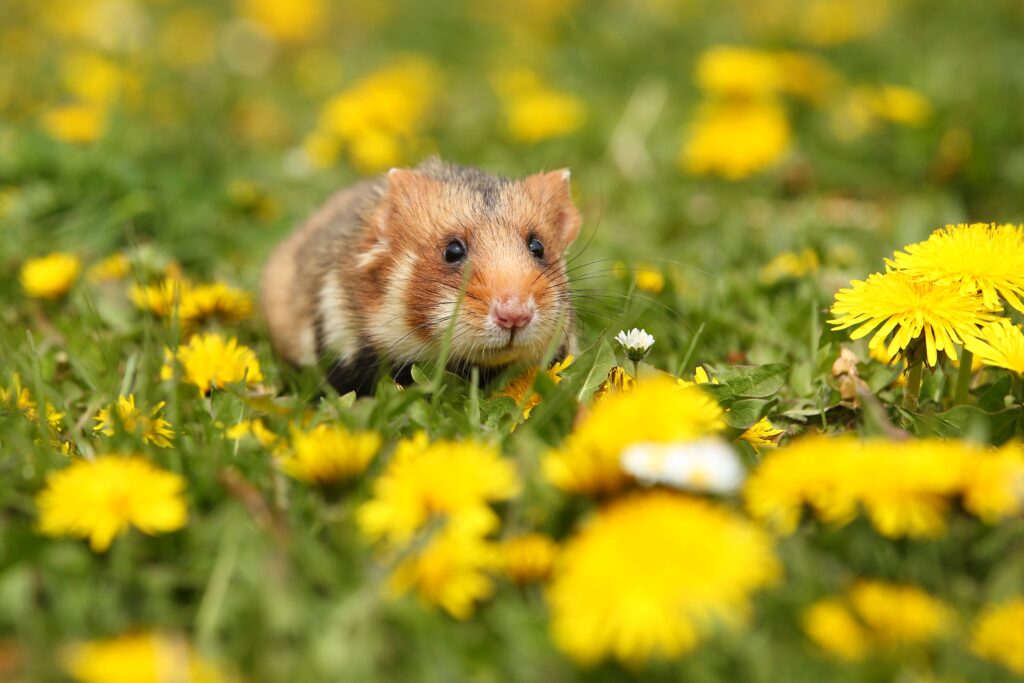
Hamsters are popular pets among both children and adults. They are small rodents that live for about two years and are best kept alone. Hamsters come in a variety of colors and breeds, and each breed has its own set of characteristics.
Chinese Hamsters: These small hamsters are not as common as other hamster species. They are commonly mistaken for dwarf hamsters, but they are not true dwarfs. They only grow to be 4 inches long.
Dwarf Hamsters: Roborovskis and Russians are included in the varieties of dwarf hamsters. They are like Chinese hamsters but much more commonly found in pet stores.
Syrian Hamsters: They come in a variety of colors and are known by various names, such as goldens, pandas, and teddy bears. They are the most common type of hamster and are much larger than dwarf and Chinese hamsters.
2. Choose a Healthy Hamster
Observe Health: Not every pet store hamster is in good health. Moving from a breeder or supplier to a store can be a stressful experience for baby hamsters, and they can become ill from it. Choose an active hamster that does not appear to have a rear end or watery eyes. Both eyes should be open, and the hamster should be eating or running around in the cage. If a cage appears to have a few sick hamsters, it is probably best to avoid purchasing any hamster from that group because hamster diseases are extremely contagious.
Prioritize Taming Potential: Younger hamsters will be easier to train and hand-tame than older hamsters who may have had negative experiences with humans or have never interacted with humans.
3. Hamster Cages and Supplies
Selecting the Right Cage: When choosing a hamster cage, functionality is far more important than appearance. Avoid using poorly ventilated aquariums or cages with complex piping that is difficult to clean. Ensure the cage is spacious, easy to clean, and has sufficiently small gaps between the bars to effectively prevent the hamster from escaping (smaller breeds require even tighter gaps).
Essential Supplies and Bedding: You’ll need to provide soft and absorbent bedding, a water bottle, an exercise wheel, chew toys, a house, and a food dish inside the hamster cage. Keep in mind that hamsters enjoy and require chewing, so wood, cardboard, plastic, and other chewable items may not last long inside the enclosure.
4. Feeding Hamsters
Beyond Store-Bought Seed Mixes: Most people believe that a store-bought bag of hamster seed is the best food for hamsters, but they require a variety of proteins, fruits, and vegetables to stay healthy and happy. Hamsters may pick and choose what they want to eat from seed mixtures, resulting in an unbalanced diet.
A healthy daily diet should include:
5% Treats—Given in moderation.
75% Fortified Pellets—Complete nutrition.
You should also provide hay in your hamster’s environment to aid in nesting and foraging. Most hamsters will eat the immature seeds in the hay as well.
5. Toys for Hamsters
To maintain their health and prevent boredom and obesity, hamsters need plenty of exercise and a vibrant environment. Providing chew toys is essential for them to wear down their ever-growing teeth; you can choose from a variety of chew toys specifically designed for rodents. Additionally, placing a comfortable hideout in their cage will create a fun and energetic home for your beloved pet.
6. Breeding Hamsters
The casual hamster owner should avoid hamster breeding. It is best left to hamster breeders who are breeding for specific characteristics and temperaments, but accidents do occur. Many new hamster owners are surprised to find themselves with a pregnant hamster after buying it from a pet store. A pregnant hamster requires extra food and a quiet nesting area within the cage.
 English
  French
  Spanish
  Japanese
  Korean
  German
  Italian
  Polish
  Greek
Greek  Indonesian
  Portuguese